Southwark Parking Suspensions for Removals on Jamaica Road
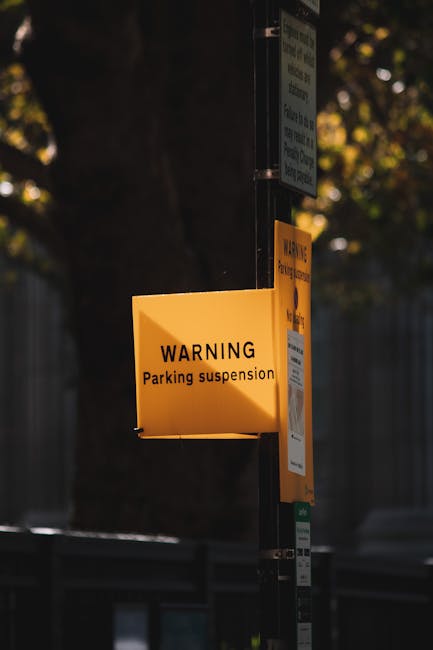
Trying to move on Jamaica Road can feel like a small logistical puzzle with a very real time limit. Vans need space, loading bays fill up, double yellow lines are rarely forgiving, and one badly parked vehicle can turn a tidy removal into a stressful shuffle of boxes, trolleys, and apologetic phone calls. That is exactly why Southwark Parking Suspensions for Removals on Jamaica Road matter so much. They help create a protected space for your moving vehicle, reduce last-minute disruption, and give your removals team a fighting chance of staying on schedule.
If you are planning a home move, a flat move, an office relocation, or even a single bulky item collection, understanding how parking suspensions work is one of those unglamorous but vital steps. It is not the flashy part of moving. Still, it can be the difference between a calm, orderly day and a slightly chaotic one with somebody muttering under their breath at 8:15 in the morning.
This guide walks through what parking suspensions are, why they matter on Jamaica Road, how the process typically works in Southwark, and what to check before moving day. You will also find practical tips, a comparison table, a realistic example, and a checklist you can actually use.
Why Southwark Parking Suspensions for Removals on Jamaica Road Matters
Jamaica Road is a busy stretch with steady traffic, limited kerbside flexibility, and a constant flow of everyday life: deliveries, commuters, residents, tradespeople, buses, and the general London habit of everyone needing the same bit of road at the same time. For removals, that creates friction. A suspension is basically a temporary restriction that reserves a section of parking or waiting space so your moving vehicle can load or unload without competing for the curb.
Why does that matter so much? Because removals are time-sensitive. A sofa cannot be held in the hallway forever. A fridge cannot hover in the van while someone looks for a gap half a street away. The nearer the vehicle can get to the entrance, the quicker and safer the move usually becomes. Less carrying distance also means less risk of damage, fewer trips, and less wear on everyone involved.
There is also a neighbourhood reality here. On roads like Jamaica Road, even a small delay can cascade. If the truck is forced to park far away, the crew spends extra time walking items back and forth. That might sound minor until you are dealing with heavy wardrobes, boxed books, or office furniture in wet weather. Suddenly the simple move is not so simple.
For businesses, suspensions can be even more useful. If you are moving stock, desks, or archive materials, the ability to park close to the building keeps the move efficient and helps avoid blocking pavements or nearby access points. If you have ever tried to wheel a loaded trolley along a busy pavement while dodging pedestrians, you already know the value of proper planning.
How Southwark Parking Suspensions for Removals on Jamaica Road Works
Parking suspensions are normally arranged in advance through the relevant local authority process. The practical idea is straightforward: a specified section of kerbside is set aside for a set period, and other drivers are told not to park there. For removals, this gives the van or truck a predictable place to stop for loading or unloading.
The details matter, though. A suspension is not just a casual request. It usually needs lead time, clear location details, and an accurate understanding of the property access point. If the moving vehicle needs space outside a specific building, the exact frontage or nearby marked bay often has to be identified correctly. Get the location slightly wrong and you may end up with a suspension that looks useful on paper but not quite right on the day. Annoying? Very.
In practice, the process often involves:
- checking whether the road section can be suspended for the planned date and time
- identifying the precise location needed for the removal vehicle
- confirming the duration required for loading or unloading
- ensuring appropriate notices or signs are in place where required
- coordinating timing with the removals team so the space is actually used efficiently
Because moving plans can shift, it is wise to treat the suspension as part of the wider move plan rather than a separate admin task. If you are arranging a larger move, it can help to line it up with services such as home moves, house removalists, or even man and van support for smaller loads. The parking plan should fit the vehicle size, the access conditions, and the volume of items being moved.
Sometimes people assume a parking suspension is only for big lorries. Not true. Even a modest van can benefit from protected kerb space if the street is tight or the property frontage is awkward. A neat little move can become a mess surprisingly quickly when parking is left to chance.
Key Benefits and Practical Advantages
The biggest benefit is simple: better access. But the real advantages go a bit deeper than that.
- Less carrying distance: The closer the vehicle is, the fewer steps your team has to take with each item.
- Reduced delay risk: No circling the block looking for a space while the clock ticks on.
- Lower chance of damage: Fewer lifts, fewer turns, fewer awkward hallway collisions with lamp tables and door frames.
- Safer loading conditions: A planned stopping point helps keep moving flow steadier and more controlled.
- Better neighbour relations: Clearer arrangements can reduce confusion, horns, and double-parking drama.
- More accurate scheduling: When access is predictable, the whole move runs with less guesswork.
There is also a psychological benefit, which people sometimes overlook. Once access is sorted, the move feels more under control. You can focus on the boxes, the keys, the kettle, and the hundred tiny tasks that always appear at the worst possible moment. The parking issue stops living rent-free in your head.
For commercial moves, the gains are often more obvious. A properly timed suspension can help keep staff, customers, and suppliers out of the moving zone. If your relocation involves equipment, records, or stock, you may also want to look at commercial moves or office relocation services so that parking access is aligned with the rest of the move plan.
Who This Is For and When It Makes Sense
Parking suspensions are useful for anyone moving where kerb access matters, but they are especially valuable in busy or constrained streets. On Jamaica Road, that includes:
- home movers leaving or arriving at flats or terrace properties
- families moving larger households with several bulky items
- students and renters with tight time windows
- small businesses relocating desks, files, or stock
- trade teams moving furniture or equipment to and from a property
- customers arranging a furniture pick-up or one-off collection
It tends to make the most sense when parking nearby is limited, loading needs to happen quickly, or the property does not have a driveway or private loading area. If you are using a larger vehicle, such as a lorry or specialist removal truck, a suspension becomes even more useful. You may also want to combine it with moving truck or removal truck hire options if the job involves heavy or awkward loads.
To be fair, not every move needs one. If you are moving a couple of bags and a small shelf from a quiet side street with easy parking, a suspension may be overkill. But on a busy route like Jamaica Road, under-planning is usually what creates the headaches.
Step-by-Step Guidance
If you want the move to feel organised rather than improvised, follow a practical sequence. Keep it simple. The best moving plans are usually the ones that avoid heroics.
- Work out the vehicle size you actually need. A small van, a man with van setup, or a larger removal truck all create different parking needs.
- Check the property access. Look at kerb space, bay restrictions, turning room, steps, lifts, and any obstacles outside the building.
- Estimate the loading time honestly. A one-bedroom flat is not the same as a three-bedroom house with boxed-up loft contents and a basement. Human beings are brilliant at underestimating moving time.
- Plan the move date early. The earlier you line up access, the fewer surprises you will have later.
- Coordinate the suspension with the moving service. If you are booking man with van support or a fuller removal team, make sure they know the parking arrangement in advance.
- Prepare your loading route. Clear hallways, protect floors, and keep boxes grouped by room so the stop-start rhythm does not drag on.
- On the day, confirm the space is usable. If anything looks off, deal with it early rather than after the crew has already arrived.
A useful habit is to imagine the day from the driver's point of view. Where do they stop? How do they unload? Can they reach the entrance safely without blocking other users? That little mental rehearsal catches a surprising number of issues.
If you need packing help as well, combining access planning with packing and unpacking services can save time on the day, because neatly prepared items load faster and do not require as much fiddling around on the pavement. Nobody enjoys that part.
Expert Tips for Better Results
Here are the small details that often make a big difference.
- Build in a buffer. Traffic on and around Jamaica Road can shift quickly. A few spare minutes can save a lot of tension.
- Choose the right vehicle for the street. Bigger is not always better. Sometimes a smaller van parks more efficiently and keeps the move flowing.
- Label boxes by room and priority. If the first items out are the ones needed most, the vehicle loading is faster and the unloading smoother.
- Keep a clear point of contact. One person should handle decisions on the day. Too many voices, and things get muddy quickly.
- Watch the weather. Rain changes everything. Wet boxes, slippery pavements, and longer carry times are all very London, really.
- Think about neighbours and building users. A quick polite word beforehand can prevent misunderstandings, especially in shared access buildings.
One small but useful trick: take a photo of the front of the property and the surrounding kerbside area before the move. It helps with planning and gives everyone the same visual reference. Not fancy. Just practical.
If your move involves bulky furniture, a separate collection, or one-off item transport, check whether furniture pick up is a better fit for part of the job. Sometimes splitting the load is the smartest move. Less drama, fewer crushed corners, easier parking.
Common Mistakes to Avoid
Most parking problems are not mysterious. They are usually the result of a few predictable missteps.
- Leaving the request too late: Last-minute arrangements can limit what is available.
- Using the wrong location details: A suspension that is even slightly misplaced may not help where the vehicle actually needs to stop.
- Underestimating the duration: If loading takes longer than expected, the schedule becomes awkward fast.
- Forgetting about access constraints: Steps, lifts, narrow entrances, and shared doorways all affect the move.
- Assuming someone else will sort it: It is safer to confirm who is responsible for the parking arrangement.
- Not checking the vehicle type: A suspension suited to a small van may not be enough for a larger lorry.
One of the most common frustrations is when the move crew arrives and the parking arrangement is technically there, but practically useless because another vehicle has already occupied the space. That is where better pre-move communication earns its keep.
Another easy mistake is to focus entirely on the street and forget the building itself. A beautifully arranged kerbside stop will not fix a narrow stairwell or a lift that cannot take a wardrobe. You need both the outside plan and the inside plan.
Tools, Resources and Recommendations
You do not need a complicated toolkit to handle this well, but a few sensible resources help a lot.
- Measuring tape: Useful for checking furniture dimensions and door widths.
- Basic floor protection: Cardboard, coverings, or runners can make a move much tidier.
- Labels and marker pens: Boring, yes. Essential, also yes.
- Phone photos: Great for recording kerbside access, furniture layouts, and any awkward corners.
- Simple move notes: Write down the vehicle type, loading start time, and who has the keys.
For larger jobs, it can help to pair the parking plan with the right transport option. A compact move may suit man and van, while heavier household or business loads may be better handled with a removal truck hire arrangement. If you are moving a whole property, the support of home moves can keep the parking and loading side properly joined up.
And if you are simply trying to understand the company, policy details, or how to get in touch, the about us page and contact us page are there for a reason. Sometimes the quickest way to move forward is to ask the obvious question. No shame in that.
Law, Compliance, Standards, or Best Practice
Parking suspensions sit in a broader framework of local parking control, road use, and moving-day safety. The exact rules and application steps depend on the council and the location, so it is important not to assume every road is treated the same way. Southwark and other London boroughs can have different procedures, timescales, and operational conditions.
Best practice usually means three things: accurate location information, realistic timing, and respectful use of the public highway. If a suspension is arranged, it should be used for the purpose intended and for the agreed period. That protects access, reduces inconvenience, and keeps the move within normal local expectations.
From a practical standpoint, there are also safety considerations. Movers should avoid blocking pavements unnecessarily, keep exits clear where possible, and manage heavy items in a way that reduces risk to people and property. Good moving practice is not just about speed. It is about doing the job without creating a second problem on the pavement.
Where a business move or larger residential relocation is involved, good planning also helps demonstrate care and professionalism. If you are using commercial moves or arranging specialist support like house removalists, the parking plan should be treated as part of the operational setup, not an afterthought.
Expert summary: In a busy road like Jamaica Road, the parking suspension is less about paperwork and more about control. It creates the breathing room that lets the move happen properly, safely, and on time.
Options, Methods, or Comparison Table
Not every move needs the same access strategy. Here is a simple comparison that may help you decide what fits your situation best.
| Option | Best for | Strengths | Limitations |
|---|---|---|---|
| No suspension, casual roadside parking | Very small moves in quieter streets | Simple, no extra planning if parking is easy | Risky on busy roads; space may not be available when needed |
| Parking suspension for loading/unloading | Most removals on constrained streets | Predictable access, shorter carry distance, fewer delays | Needs planning and correct details |
| Smaller vehicle approach | Light moves, single rooms, smaller flats | Can be easier to park and manoeuvre | May require more trips if the load is large |
| Larger removal vehicle with planned access | Full house moves, business relocations, bulky loads | Efficient loading, less back-and-forth, better for big jobs | Needs more careful street and loading planning |
The best option is not always the biggest one. It is the one that matches the building, the street, and the amount of stuff you actually need to move. A tidy one-bed flat with well-organised boxes may only need modest support, while a family home with a piano and garden tools is a different beast altogether.
Case Study or Real-World Example
Here is a realistic example. A couple moving from a second-floor flat near Jamaica Road booked a morning removal slot and initially assumed a van could simply stop outside for 20 minutes. On paper, that sounded fine. In reality, the street was already busy, the nearest legal space was several doors away, and the building entrance sat behind a narrow shared pavement area.
They adjusted the plan and arranged parking control in advance. The mover arrived with a clear place to stop, a shorter carry route, and a better sequence for loading the heavier items first. The boxes came down in a steadier rhythm, the sofa did not need to be paused on the pavement while a parked car was negotiated, and the whole job finished without the slightly frantic energy that so often appears when access is left to chance.
What changed? Not the furniture. Not the street. Just the access plan. That is the whole point. A small amount of forethought can transform the moving day experience from choppy to manageable.
It is worth saying too that this does not have to be a big production. Even a modest move can benefit from the same logic. Good access planning simply makes the day kinder to everyone involved.
Practical Checklist
Use this checklist before moving day. It is simple, but it catches the things people often miss.
- Confirm the exact property address and access point
- Check the vehicle size needed for the move
- Estimate loading and unloading time realistically
- Make sure any parking suspension request matches the correct location
- Verify the date and time window for the move
- Tell the removals team about narrow entrances, steps, or lifts
- Prepare boxes by room and label priority items
- Protect floors and fragile corners inside the property
- Keep keys, paperwork, and contact details easy to reach
- Check the kerbside area again shortly before the move
If you want a smoother result, think of the checklist as part of the move itself, not admin on the side. The people who do best on moving day are usually the ones who made the boring decisions early. Bit unfair, perhaps, but true.
Get a free quote today and see how much you can save.
Conclusion
Southwark Parking Suspensions for Removals on Jamaica Road are about more than claiming a patch of road. They are about creating workable access in a busy part of London, reducing stress, and helping the move happen on your terms rather than the street's. When the parking is sorted, everything else has a better chance of falling into place.
Whether you are moving a flat, a family home, an office, or a few bulky items, the main lesson is consistent: plan access early, match the vehicle to the job, and do not leave kerbside space to luck. Jamaica Road can be demanding, but a little structure goes a long way.
If your move is coming up soon, take the next step now. Tight streets reward clear planning, and a calm moving day is still possible, honestly, even in London.
Frequently Asked Questions
What are Southwark parking suspensions for removals on Jamaica Road?
They are temporary parking restrictions or reserved kerbside spaces arranged so a removal van or truck can load and unload close to the property without competing for parking.
Do I always need a parking suspension for a move on Jamaica Road?
Not always. Very small moves in easy parking conditions may not need one, but busy roads, limited kerb space, and larger vehicles often make a suspension the safer choice.
How early should I arrange one?
As early as you can. The earlier you plan, the more likely you are to get the right time window and the correct location details sorted without last-minute pressure.
Can a parking suspension help with a man and van move?
Yes. Even a smaller vehicle can benefit from reserved access if the street is tight or the property is awkward to reach.
What if my move takes longer than expected?
That is one reason to build in a buffer. If the job looks likely to run long, plan accordingly rather than assuming the schedule will stay perfectly neat.
Is a suspension useful for office relocations too?
Absolutely. Office moves often involve desks, files, IT equipment, and timed access, so a reliable stopping point can save a lot of disruption.
What information do I need before arranging access?
You will usually need the exact address, the access point, the date, the time window, and a realistic idea of vehicle size and loading duration.
Can I combine parking planning with packing services?
Yes, and that is often a smart move. Good packing makes loading faster, which in turn makes the parking arrangement more effective.
What is the main mistake people make with move-day parking?
The most common mistake is underestimating how difficult roadside access will be. People often assume the van can simply stop outside, and that is not always realistic on a busy London road.
Are parking suspensions only for big removals?
No. They can be useful for small house moves, flat moves, office relocations, and even furniture pick-ups if the location is hard to access.
What should I do if the street looks different on the day?
Check the situation early and speak to the moving team straight away. Small changes can sometimes be managed smoothly if they are spotted before loading starts.
Where can I learn more about related moving services?
You can explore options such as home moves, commercial moves, or office relocation services depending on the type of move you are planning.
Who should I contact if I want help planning the move?
If you need support with planning, timing, or vehicle choice, start by reaching out through the contact us page. A quick conversation often clears up the most awkward questions.
Can a parking plan also help with bulky item collection?
Yes. For one-off items, especially awkward furniture, a clear stopping point can make the collection cleaner and quicker. If that sounds like your situation, furniture pick up may be worth considering alongside access planning.