Small flat removals in SE16 tips for tight staircases
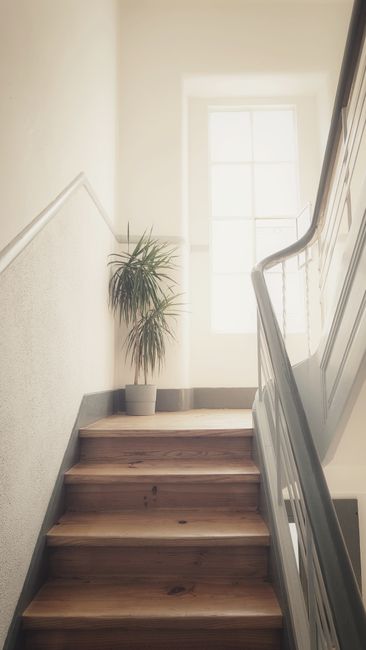
Moving out of a small flat in SE16 can look straightforward on paper. One sofa, a few boxes, maybe a bed frame, and off you go. Then you meet the staircase. Tight turns, low ceilings, narrow landings, a handrail that steals precious inches, and a neighbour's bike left exactly where you need to swing a mattress. That is where small flat removals in SE16 tips for tight staircases really matter.
In Bermondsey and the wider SE16 area, many flats are in converted buildings, older estates, and compact developments where access is the real challenge. This guide gives you practical, local, no-nonsense advice on how to plan, pack, carry, and protect your belongings when the stairs are the tricky bit. You will also find a checklist, a comparison table, and a realistic step-by-step plan you can use straight away.
Key takeaway: tight staircases are usually manageable, but only if you plan around space, timing, lifting technique, and furniture disassembly before moving day arrives.
To be fair, most problems in a small flat move are not caused by the volume of items. They come from the route. Once you understand the route, the whole job becomes calmer, safer, and much less stressful.
Why Small flat removals in SE16 tips for tight staircases Matters
Small flat removals sound simple because the property is smaller. But small does not always mean easy. In SE16, access can be awkward even when the distance between homes is short. A narrow staircase can be more of a headache than a larger inventory of belongings. One awkward bend can slow everything down, and one rushed lift can lead to a chipped wall, a broken lamp, or a strained back. Nobody wants that.
The reason this matters is practical: stairs affect time, labour, packing style, and risk. A move that should take a couple of hours can turn into a half-day job if items need to be rotated, dismantled, wrapped, and carried carefully one at a time. If the stairwell is shared, you also need to think about neighbours, clear access, noise, and keeping the route unobstructed. In busy parts of Bermondsey and nearby streets, even getting a decent parking spot can shape the whole move.
There is also the emotional side. People tend to underestimate how tiring repeated stair carries can be. You may feel fine at 10 a.m., then by lunchtime the whole building feels steeper than it did an hour earlier. That is normal. It is not a sign that you are doing it wrong; it is a sign that the plan needs to respect the staircase, not fight it.
If you want to keep things organised, it helps to think of the staircase as part of the moving plan, not a minor detail. That one shift in mindset makes a big difference.
How Small flat removals in SE16 tips for tight staircases Works
The process is really about reducing friction. The best small flat removals approach for a tight staircase follows a few simple ideas: measure first, strip items down where possible, protect the walls and furniture, and move in a sequence that minimises turning and lifting strain.
In practice, the move starts before the van arrives. You check the width of the stairwell, landing space, ceiling height, and whether there are awkward corners or doors that open into the route. You identify the bulkiest items first. A wardrobe that looks manageable in the bedroom can suddenly become a nightmare on the second floor landing. A bed base can be easy, until you hit the banister. Funny how that works.
From there, you decide what should be dismantled, what can be carried as is, and what needs extra protection. Soft items are boxed or bagged to reduce loose edges. Heavy items are loaded by two people where needed, with one person guiding from above or below. If the staircase is especially tight, you may even move items in a different order than expected, sending awkward pieces down first while the route is still fresh and the team is not worn out.
For many local residents, the move is smoother when a compact vehicle and an experienced crew are used. That is why many people compare options such as a man and van service with a larger moving vehicle. Small flats often do not need a huge truck, but they do need the right size team and equipment for the access.
One thing worth remembering: tight staircases are less about brute force and more about angle, balance, and control. Slow is often faster. That sounds a bit backwards, but anyone who has wrestled a mattress round a stair bend knows exactly why.
Key Benefits and Practical Advantages
Using a proper approach for a small flat move in SE16 brings several benefits beyond simple convenience.
- Less damage risk: careful planning protects walls, banisters, corners, doors, and furniture edges.
- Better time control: a route plan stops everyone from improvising on the day.
- Lower physical strain: smaller, well-prepared loads reduce the chance of injury.
- Cleaner move-out: fewer scuffs and less clutter mean a tidier handover.
- Less stress: you are not standing on the landing wondering whether the sofa will make it.
There is also the financial side. When a move is organised properly, you are less likely to need emergency fixes, extra labour time, or repairs for damage caused by avoidable mistakes. A little planning often saves more than people expect. Truth be told, it is usually the cheapest part of the whole process.
Another advantage is speed. A small flat move with tight access does not need to become chaotic. With the right preparation, movers can work in a steady rhythm. That rhythm matters. Once a staircase flow is established, the job often feels almost calm, even if the route is a bit awkward and the radiator on the landing is in the most unhelpful place imaginable.
If you are considering a broader home move rather than just a single room or bedsit, it may help to look at broader home moves support as part of your planning, especially if your exit and entry properties both involve stairs or shared access.
Who This Is For and When It Makes Sense
This approach is ideal if you live in a compact flat, studio, one-bedroom apartment, or converted property with narrow internal stairs. It also makes sense for tenants, first-time movers, downsizers, students, and anyone moving into or out of a building where lift access is limited or absent.
You will especially benefit if:
- your sofa, mattress, wardrobe, or bed frame is awkwardly shaped;
- the staircase has a sharp bend or low ceiling;
- your building has shared halls, fire doors, or limited waiting space;
- you need to move quickly between tenancy dates;
- parking close to the entrance is not guaranteed;
- you want to avoid damaging freshly painted walls or stair rails.
It also makes sense when you are moving a small number of items but several of them are heavy. A tiny load can still be difficult if one item is bulky and the rest are fragile. That is the thing people miss. Small inventory, big access problem.
If the move includes furniture that can be taken apart, or if you need help carrying awkward items down steps, a flexible removal setup is usually better than a one-size-fits-all approach. And yes, it is completely normal to ask for help just because the staircase looks hostile at 8:00 in the morning.
Step-by-Step Guidance
Here is a practical sequence you can follow for small flat removals in SE16 when the staircase is tight.
1. Measure the route before anything else
Measure the width of the staircase, landings, door frames, ceiling clearance, and the largest items you own. If possible, measure diagonally too. A piece of furniture may fit in theory but fail at the turning point. It is worth checking in daylight, not by phone torch while carrying a box in your teeth. Been there? Better not.
2. Identify the awkward items early
Make a list of anything oversized: sofas, mattress bases, wardrobes, desks, headboards, mirrors, and large white goods. Decide whether each item should be dismantled, wrapped, padded, or moved separately. If a sofa has detachable feet or a bed frame can be broken into sections, that is often a big win.
3. Clear the route completely
Remove shoes, mats, wall art, baskets, and anything else that could snag a foot or catch on a corner. On shared staircases, be careful not to block exits or common areas. A clear route protects the move and shows courtesy to neighbours. A little common sense goes a long way here.
4. Pack by weight and fragility
Put heavy items in small boxes rather than one overfilled monster box. Keep fragile things cushioned, and label boxes so the heaviest ones can be loaded strategically. Packing is not just about storage; it is about carrying. If a box feels wrong in the hands, it probably is.
5. Disassemble what can be safely taken apart
Flat-pack furniture, bed frames, tables, and shelving often move far more safely once broken down. Keep screws, bolts, and fittings in clearly labelled bags. Tape them to the relevant item or place them in a dedicated parts box. That tiny step prevents the classic "where are the bolts?" panic later.
6. Protect walls and corners
Use blankets, pads, or proper corner protection where needed. In a tight stairwell, the wall is often closer than you think. One careless brush can mark paint or dent plaster. This is where patience pays off.
7. Use the right carrying method
For large objects, one person should guide and one should support. Communicate before every turn and pause. Count steps if needed. "Ready, turn, stop" is much better than guessing halfway through the landing. Simple, but effective.
8. Load the van in a smart order
Put the awkward, heavy, or fragile items in first if they are needed to anchor the load. Place lighter boxes around them. If you are using a compact vehicle, do not overfill it to the point where unloading becomes a puzzle. Space matters more than people think.
9. Do a final sweep
Check cupboards, windowsills, high shelves, and behind doors. Flat moves often leave behind chargers, paperwork, and one missing sock you swear was definitely there. Take it from the top and keep calm.
If you are moving in a more mixed-use area or need help with different property types, services such as moving truck support can be useful when the item count and access conditions call for a slightly larger setup.
Expert Tips for Better Results
Here is where the practical detail really helps.
First tip: test the furniture route before moving day. If something looks tight, do a dry run with a cardboard template or a rough measurement against the wall. You do not want to discover at 3 p.m. that the wardrobe needs to be carried at an angle nobody planned for.
Second tip: protect your hands and grip. Gloves are not glamorous, but they do improve control. A sweaty hand on a smooth box is not ideal. Nor is a shiny plastic tote on a narrow stair tread. Let's face it, nobody looks stylish carrying a fridge box anyway.
Third tip: keep the team small but coordinated. Too many people on a cramped staircase can create more confusion, not less. Sometimes two well-briefed people are better than four people in each other's way.
Fourth tip: move at the right time of day. In SE16, timing can affect parking, noise, and foot traffic. Early starts can be calmer. Midday can be busier. Evening moves may be harder around neighbours returning home. The "best" time is the one that fits access, parking, and building rules, not just your diary.
Fifth tip: plan for disposal or extra items. If you have bulky waste, broken shelving, or things you do not want to take, sort that out before the move becomes a pile-up. Some people leave this until the end, which is understandable, but it can turn a tidy move into a messy one very quickly.
Sixth tip: think about packing and unpacking as part of the job. If you are short on time, support such as packing and unpacking services can remove a huge amount of pressure. That is especially helpful when you have to leave one property clean and presentable by a deadline.
And one more thing: if a staircase is genuinely too tight for a certain item, forcing it is not "being determined." It is being risky. There is a difference, and it matters.
Common Mistakes to Avoid
Most staircase problems are predictable. That is the annoying part. The good news is they are also avoidable.
- Not measuring properly: guessing the width of a stairwell is a classic mistake.
- Leaving packing until the last minute: rushed boxes are harder to carry and more likely to split.
- Ignoring the landing: people often measure stairs but forget the turn space at the top or bottom.
- Trying to move oversized items without dismantling: some items simply need to come apart first.
- Overloading boxes: heavy boxes are hard to control on stairs and increase injury risk.
- Forgetting neighbour access: shared hallways can become a problem if items are left out too long.
- Underestimating fatigue: the second trip is often where mistakes happen.
Another common error is assuming the van is the hard part. Often, the van is the easy bit. The staircase is where momentum disappears if the planning is weak.
There is also a softer mistake: not asking for enough help early enough. If you already know the sofa is awkward, the stairwell is tight, and the deadline is fixed, do not wait until move day to improvise. It rarely ends well. Sometimes you need to accept that a bit of expert support is the sensible option.
Tools, Resources and Recommendations
You do not need a warehouse of specialist gear, but a few items make a huge difference for tight stair moves.
- Furniture blankets or pads: to protect corners, rails, and paintwork.
- Ratchet straps or strong ties: useful for keeping dismantled parts secure in transit.
- Gloves with a decent grip: helpful for boxes, handles, and awkward surfaces.
- Bubble wrap or paper wrap: for fragile items, mirrors, lamps, and table tops.
- Small and medium boxes: easier to carry than oversized cartons on stairs.
- Labels and marker pens: keep room and priority notes clear.
- Basic toolkit: screwdrivers, Allen keys, and a small spanner set for disassembly.
- Tape and zip bags: for screws, fittings, and loose parts.
In some cases, a compact vehicle is better than a larger one because of parking and access in the local area. If you are comparing options, man with van support can suit smaller moves where flexibility matters more than volume.
You may also want to check broader moving advice if your flat move overlaps with other jobs, such as disposal, storage, or a delayed handover. The practical articles on the site can help you plan those moving parts without overcomplicating the main move.
Law, Compliance, Standards, or Best Practice
For a small flat move in SE16, the main compliance issues are usually practical rather than complicated legal ones. Still, there are a few things worth keeping in mind.
First, if you live in a shared building, follow any rules set by the landlord, managing agent, or building management about move times, lift booking, hallway use, and protection of common areas. Some blocks expect advance notice. Others ask that stairwells and communal entrances remain clear at all times. Those rules may not be exciting, but they matter.
Second, if you are using on-street parking or stopping near the building, local parking restrictions and loading arrangements should be checked in advance. In parts of SE16, access can change fast depending on the day and time. A move that looks fine on a Tuesday may be awkward on a Saturday morning if the street is busier than expected.
Third, manual handling should always be approached sensibly. In plain English, that means lifting with care, not twisting under load, and not trying to carry more than is safe. The best practice is to use enough people, enough planning, and the right equipment to reduce strain. If an item feels unsafe, stop and rethink it. Simple as that.
Finally, if you hire movers, clear communication helps everyone. Tell them about narrow stairs, fragile items, low ceilings, and anything that might affect access. That is not over-sharing. That is useful information.
These are not dramatic legal points, but they are the difference between a smooth move and a miserable one. The boring details do the heavy lifting, usually.
Options, Methods, or Comparison Table
There are a few sensible ways to handle a small flat move with tight staircases. The right choice depends on how much you have, how awkward the route is, and how much help you want.
| Option | Best for | Pros | Watch-outs |
|---|---|---|---|
| DIY move with a few helpers | Very small moves and light furniture | Low upfront cost, flexible timing | Higher risk of damage, more physical strain, harder with awkward stairs |
| Man and van service | Small-to-medium flat moves | Flexible, usually well suited to compact properties, easier for short-notice jobs | May still need you to pack and dismantle items beforehand |
| Full removal support | Moves with more furniture or tighter access | More hands, more structure, often better for awkward staircases | Usually more involved and not always necessary for a very small move |
| Packing add-on service | People short on time or needing extra care | Less stress, better protection, smoother loading | Extra cost, but often worthwhile if time is tight |
The key is not to choose the biggest service by default. Choose the one that fits the access problem. A small flat in SE16 with a narrow staircase may benefit more from skill and preparation than from sheer size of crew. That is where many people get it wrong.
Case Study or Real-World Example
Here is a realistic example from a typical SE16-style move. A tenant in a one-bedroom flat needed to move out before a new tenancy started the next day. The property had a narrow internal staircase with a turn halfway down, plus a small landing at the bottom. The main items were a bed frame, a mattress, two bookcases, a sofa, and around fifteen boxes.
Instead of trying to carry everything in one rush, the move was split into a sequence. The bed frame was dismantled the day before, screws bagged and labelled. Boxes were sorted by weight, not by room. The sofa was measured against the staircase before the crew arrived, and the feet were removed to reduce the width just enough to make the turn safer. Wall corners were padded, and the moving path was cleared in advance.
The difference was obvious. The first large item set the tone, and because the route had been checked, there was no hesitation at the tight bend. The job still took effort, of course. It was a staircase, not a miracle. But there was no damage, no panicked repositioning, and no rush to apologise to the neighbours. That little bit of calm made the whole day feel less like a scramble.
In a move like this, the real win is not dramatic speed. It is the quiet relief of knowing each item will fit before you lift it. That is what good planning buys you.
Practical Checklist
Use this checklist before moving day. It is simple, but it covers the bits that usually trip people up.
- Measure the staircase, landings, doors, and the largest furniture pieces.
- Check whether the sofa, bed, or wardrobe can be dismantled.
- Confirm access times, parking arrangements, and any building rules.
- Pack heavy items in smaller boxes.
- Label boxes clearly and keep fragile items separate.
- Protect corners, walls, and banisters with blankets or pads.
- Keep screws, bolts, and fittings in labelled bags.
- Clear the stair route of shoes, clutter, and loose items.
- Arrange enough people for lifting and guiding.
- Plan the loading order before the van arrives.
- Leave time for a final sweep of cupboards, shelves, and storage areas.
- Have water, snacks, and basic tape or tools close at hand.
If you tick these off properly, you are already ahead of most rushed movers. Honestly, that alone can take a huge amount of pressure out of the day.
Conclusion
Small flat removals in SE16 become much easier when you treat the staircase as the main event. Measure the route, dismantle what you can, pack in a way that makes carrying safer, and plan the order of the move before anyone lifts a box. That is the whole game, really.
The best results usually come from calm preparation, not last-minute effort. And in a neighbourhood where access can be tight, parking can be awkward, and staircases can feel more compact than the floor plan suggested, that preparation is worth its weight in tape, boxes, and patience.
If you want to save time, reduce stress, and avoid the usual moving-day scramble, choose a setup that suits your access rather than trying to force the job into a generic moving plan. Small, well-planned moves can be remarkably smooth. A bit of care goes a long way.
Get a free quote today and see how much you can save.
Frequently Asked Questions
How do I move furniture down a tight staircase without damaging the walls?
Measure the item first, remove any detachable parts, and protect the walls and corners with blankets or pads. Move slowly, use clear verbal communication, and have one person guide while the other supports the weight.
What is the best way to move a sofa in a small SE16 flat?
Check whether the legs or feet can be removed and measure the stairwell before moving day. If the sofa is large, tilt it carefully and have enough people on hand so nobody is forced to carry at an awkward angle.
Should I dismantle my bed frame before moving?
Usually, yes. Bed frames are often easier and safer to move in sections. Keep all screws and fittings in a labelled bag so reassembly is not a guessing game later.
Do I need a full removals team for a small flat move?
Not always. A smaller service can be enough if you have only a few items and decent access. If the staircase is very tight or you have bulky furniture, extra help can make the move safer and quicker.
How far in advance should I book a move in SE16?
As early as you can, especially if your move depends on parking, access times, or a specific handover date. Short-notice moves can still work, but planning is always easier when you are not rushed.
What if my furniture will not fit round the staircase?
Do not force it. Check whether it can be dismantled further, carried at a different angle, or taken through another route. If none of that works, a professional mover can often spot an alternative approach quite quickly.
Is it worth using packing services for a small flat?
If you are short on time, have fragile items, or simply do not want to spend the night before the move surrounded by boxes, yes, it can be worth it. It is especially useful when stairs make carrying more demanding.
How can I protect my belongings in a narrow stairwell?
Use blankets, bubble wrap, strong boxes, and clear labels. Keep heavier items low and compact, and do not leave loose objects on steps where they can slip or snag during the move.
What should I do about parking during a small flat removal?
Check access and parking arrangements before the move, especially if the van needs to stop close to the building. In SE16, a little planning here can save a surprising amount of time on the day.
How do I keep the move quick if the staircase is very awkward?
Sort items in advance, dismantle what you can, and keep the stair route clear. The fastest moves are usually the most organised ones, not the ones where everyone rushes at once.
Can I move everything myself if I only have a few items?
Possibly, but only if the items are manageable and the staircase is not too restrictive. One heavy or awkward item can change the whole picture, so judge the route honestly before deciding.
What is the biggest mistake people make with tight staircase removals?
They underestimate access. People often focus on how much they own and forget to think about turns, landings, head height, and how the item will actually move through the building. That is where most avoidable problems start.
If you plan carefully, a small flat move in SE16 does not need to feel chaotic. It can be one of those rare moving days that ends with a deep breath, a clear landing, and a proper sense of relief. And that is a very good feeling indeed.